
Ultrasound is a safe and painless medical test. Doctors use it to see inside the body. This test is very important in radiology. Many people know it as an ultrasound scan. Medical imaging with ultrasound helps doctors find problems early. It is a safe diagnostic ultrasound method used worldwide. In this blog, you will learn what ultrasound is, how it works, its uses, and how to prepare for it.
What is an Ultrasound?
Ultrasound is a type of medical imaging. It uses sound waves to create pictures of the inside of your body. Unlike X-rays, it does not use radiation. Instead, it sends high-frequency sound waves through your skin. These waves bounce back and form images on a screen. Doctors can see organs, tissues, and even blood flow. Because it is safe, doctors often use it for pregnant women and children.
Common Uses of Ultrasound
Doctors use ultrasound for many reasons. It helps them look at different parts of the body. Here are some common uses:
Sometimes, doctors use ultrasound to check blood flow in veins and arteries. This helps find blockages or clots. In many clinics, you can get an ultrasound scan quickly and easily.
How Ultrasound Works (the Procedure)
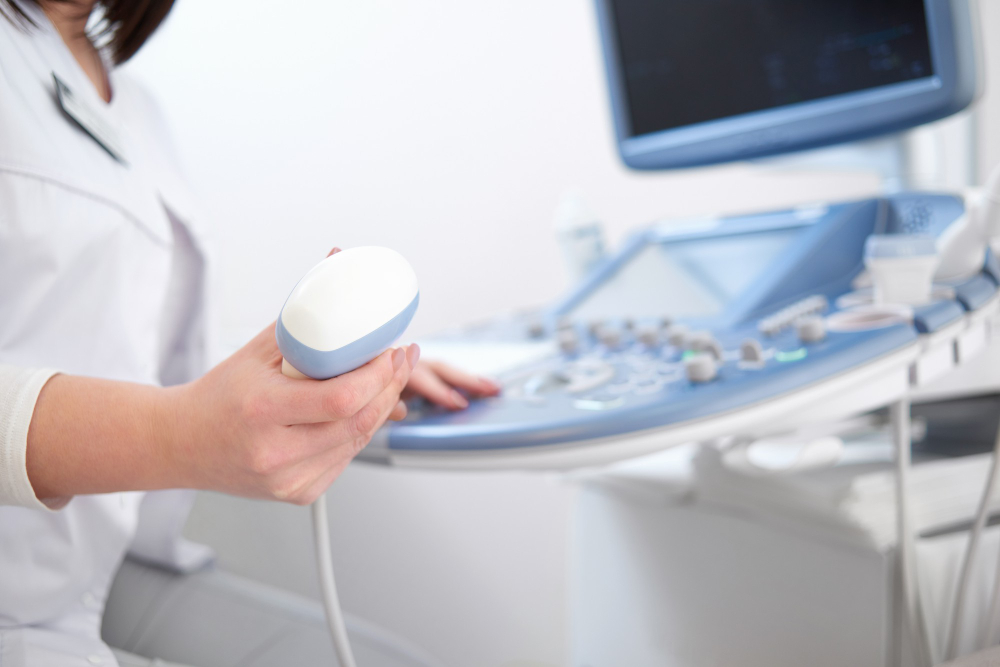
During an ultrasound, a trained technician or doctor will help you. First, you may need to lie down on a table. Next, they put a special gel on your skin. This gel helps the sound waves travel better. Then, they move a small device called a transducer over the area. The transducer sends sound waves into your body. These waves bounce back and create images on a screen.
The procedure usually takes 15 to 45 minutes. Most people do not feel any pain. Sometimes, you may feel slight pressure from the transducer. After the test, you can return to your normal activities right away.
Safety and Risks of Ultrasound
Ultrasound is very safe. According to the World Health Organization (WHO), there are no known harmful effects when used properly. Unlike X-rays, ultrasound does not use radiation. This makes it a safe choice for pregnant women and children. Most people do not have any side effects. However, in rare cases, you may feel mild discomfort from the gel or pressure.
Doctors and technicians are trained to use the lowest sound wave levels needed. This keeps the test safe for everyone. If you have concerns, talk to your healthcare provider before the test.
Preparing for an Ultrasound
Preparation depends on the type of ultrasound you need. Your doctor will give you clear instructions. Here are some common tips:
Always follow your doctor’s advice for the best results. If you are unsure, ask your healthcare provider before your appointment.
Frequently Asked Questions about Ultrasound
Consult a healthcare professional at Ganapathi Diagnostic Center to learn if an ultrasound is right for you.